
When someone plans to start exporting from India, one of the first questions that comes up is this:
Should I become a Manufacturer Exporter or a Merchant Exporter?
Many beginners get confused because both sound similar, both require an IEC, and both involve exporting goods out of India. But in real export business, the difference between a manufacturer exporter and merchant exporter affects everything GST treatment, documentation, pricing control, risk, and even long term scalability.
This guide explains the difference in a clear, practical way, without legal terminology or textbook language. By the end of this post, you’ll know which exporter model suits you best, especially if you’re starting out.
Table of Contents
What Is Merchant Exporter? (Simple Meaning)
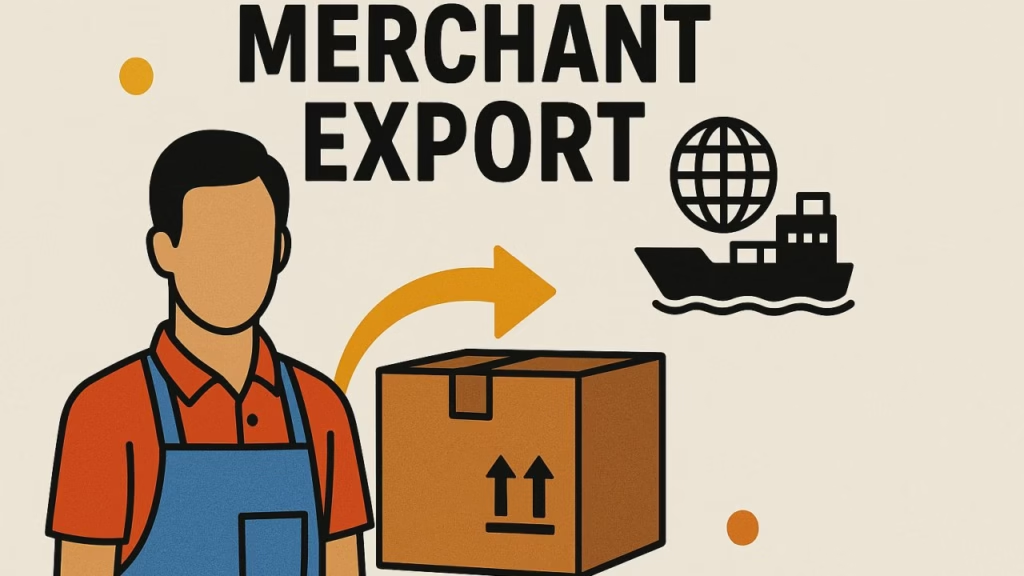
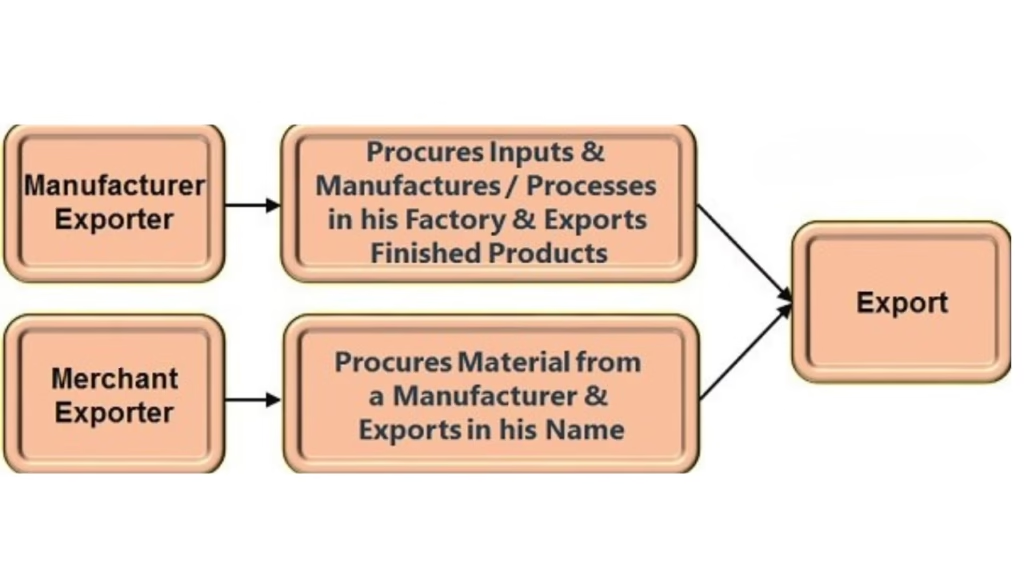
A merchant exporter is a person or business that exports goods without manufacturing them.
In short:
- You buy goods from Indian manufacturers
- You export those goods to foreign buyers
- You earn your margin in between
This is why the merchant exporter meaning is often explained as “a trader who exports”.
Many people asking “who is a merchant exporter?” are surprised to learn that most first time exporters in India start as merchant exporters, not manufacturers.
Merchant Exporter Example
Suppose you:
- Buy spices from a factory in Kerala
- Export them to Dubai under your IEC
- Handle the buyer, logistics, and payment
You are a merchant exporter, even though you never manufactured the product.
What Is a Manufacturer Exporter?
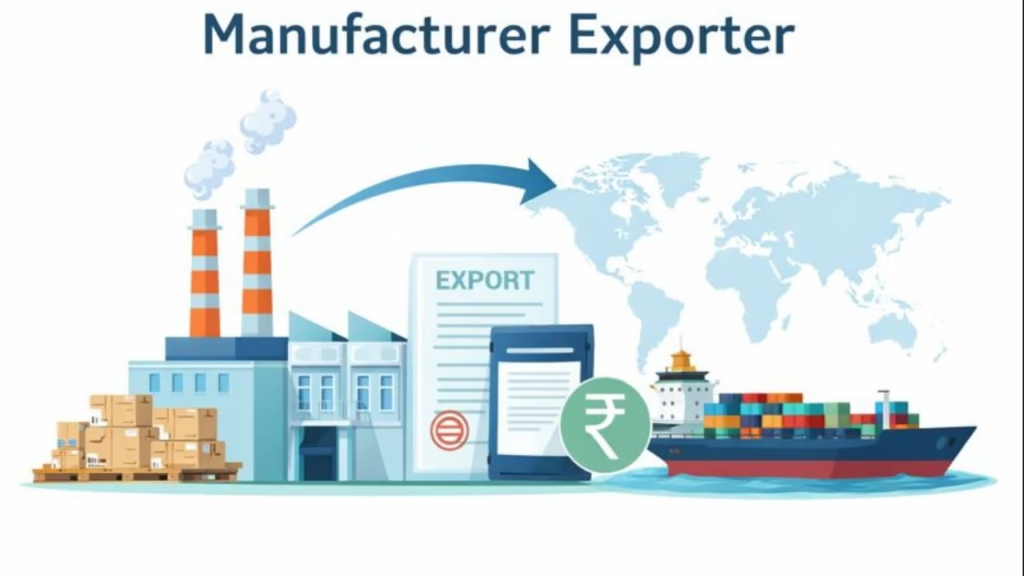
A manufacturer exporter is a business that:
- Manufactures goods in its own factory
- Exports the same goods directly to overseas buyers
Here, production and export both happen under the same entity.
For example:
- A textile factory exporting garments made in its own unit
- A rice mill exporting rice processed in its own facility
In short, the manufacturer exporter controls the production and export, while the merchant exporter controls sourcing, procuring and exporting.
Merchant Exporter vs Manufacturer Exporter (Differences)
Before getting into details, here’s the major difference:
| Aspect | Merchant Exporter | Manufacturer Exporter |
| Manufacturing | No | Yes |
| Own factory | Not required | Required |
| Product sourcing | From third parties | In-house |
| Entry barrier | Low | High |
| Capital required | Lower | Higher |
This single difference changes how GST, pricing, risk, and operations work.
1) Ownership of Product & Production Control
This is the most important difference between a merchant exporter and manufacturer exporter.
Merchant Exporter
- Does not control manufacturing
Depends on suppliers for:
- Quality
- Timely production
- Packaging standards
In real export shipments, delays often happen because suppliers miss deadlines or change specifications at the last moment.
Manufacturer Exporter
Full control over:
- Raw materials
- Production timelines
- Quality checks
- Easier to meet buyer specific requirements
This is why buyers often prefer dealing directly with manufacturer exporters for large or repeat orders.
2) Capital Investment & Entry Barrier
This factor matters most for beginners.
Merchant Exporter
- No factory investment
- No machinery cost
- No labor setup
- Can start with limited capital
This is why merchant exporter in India is the most common entry point for first time exporters.
Manufacturer Exporter
Requires:
- Factory
- Machinery
- Skilled workforce
- Compliance costs
- High upfront investment
Many exporters move to manufacturing after gaining market confidence as merchant exporters.
3) GST Treatment: Merchant vs Manufacturer Exporter
This is one area where many beginners make costly mistakes.
Merchant Export Under GST
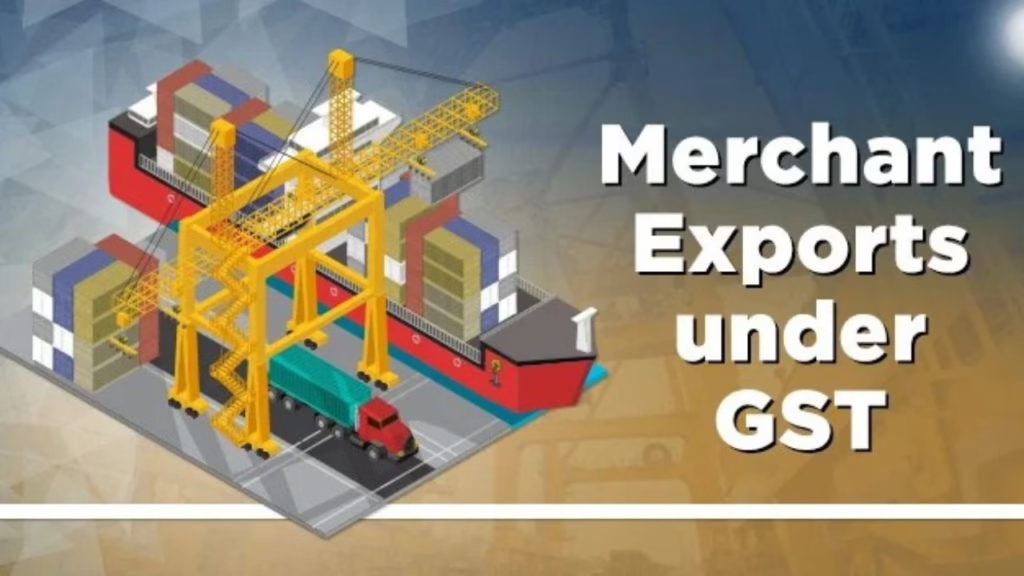
Merchant exporters often use:
- LUT (Letter of Undertaking) for zero rated exports
- Or export under concessional GST rate (0.1%) when buying from suppliers
This concessional route exists specifically to support merchant exporters, but it comes with strict compliance.
Merchant export GST rate issues usually arise when:
- Supplier invoices are incorrect
- Conditions under GST notifications are not followed
- Shipping timelines are missed
Manufacturer Exporter GST
- Simpler compliance
- Manufacturer exports goods directly
- Zero rated supply under GST is straightforward
This is why many merchant exporters later convert into manufacturer exporters once volumes grow.
4) Pricing Power & Profit Margins
Merchant Exporter
Profit margin depends on:
- Purchase price from supplier
- Negotiation skills
- Logistics optimization
- Limited flexibility if supplier prices increase
Many beginners assume merchant exporters earn less. In reality, smart merchant exporters earn strong margins by:
- Consolidating volumes
- Choosing the right suppliers
- Adding value through packaging or branding
Manufacturer Exporter
- Better margin control
- No middle supplier margin
- Can optimize cost at production level
However, fixed costs are higher, so low volumes can reduce profitability.
5) Risk Exposure in Export Business
Risks:
- Supplier dependency risk
- Quality rejection risk
- Delays caused by third parties
In real shipments, I’ve seen exporters lose buyers because suppliers failed to maintain consistency.
Risks:
- Production risk
- Inventory holding risk
- Machinery downtime
But fewer external dependencies.
This is why beginners often prefer merchant exporting lower operational risk, even if margins are slightly lower initially.
6) Compliance, Documentation & Control
Merchant Exporter
Must coordinate between:
- Supplier
- CHA
- Freight forwarder
- Buyer
Documents like:
- Commercial Invoice
- Packing List
- Shipping Bill
must align across parties.
Even a small mismatch can cause customs queries.
Manufacturer Exporter
- Internal coordination is easier
- Fewer parties involved
- Faster decision making
At busy ports like Mumbai or Chennai, this operational control can save days.
7) Scalability & Long Term Growth
Merchant Exporter
- Easier to test markets
- Easier to add new products
- Flexible business model
Many successful exporters start as merchant exporters and later:

- Invest in manufacturing
- Acquire partner factories
- Launch private labels
Manufacturer Exporter
- Strong brand building potential
- Long term buyer relationships
- Better control over international certifications
Both models are valid the key is choosing what fits your current stage.
Manufacturer Exporter and Merchant Exporter : Which Is Better for Beginners?
For most beginners, the answer is clear:
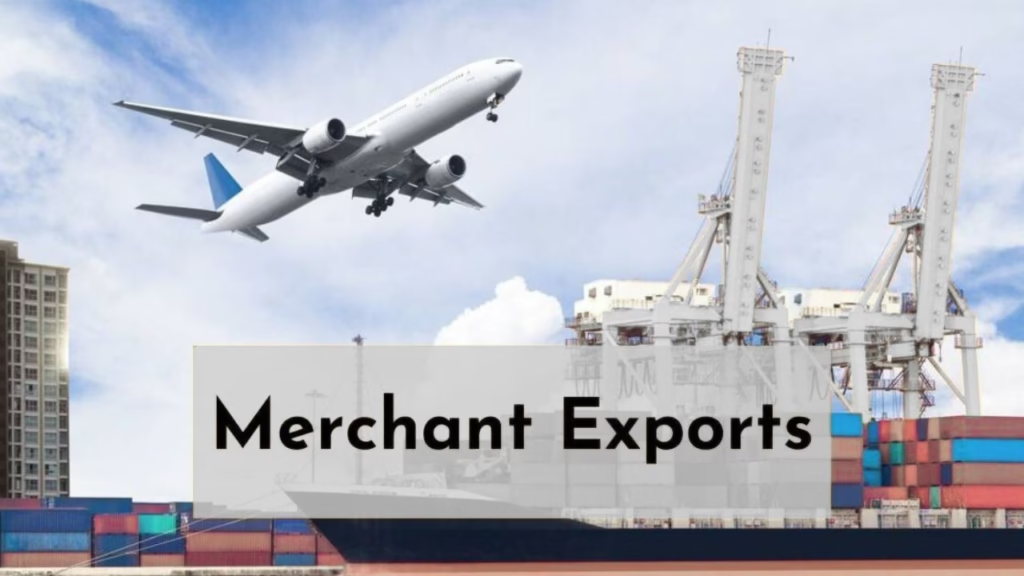
Merchant exporter is the safer starting point
Why?
- Lower investment
- Lower risk
- Faster learning
- Easier exit if something goes wrong
Once you understand:
- Export documentation
- Payment terms
- Logistics
- Buyer handling
You can move into manufacturing confidently.
Common Myths Beginners Believe (And Should Avoid)
“Manufacturer exporter is always better”
“Merchant exporters are not serious exporters”
“Buyers don’t trust merchant exporters”
In reality, buyers care about:
- Consistent quality
- Timely delivery
- Clear communication
Not whether you manufacture or trade.
Merchant Exporter vs Service Provider (Quick Clarification)
Some people confuse merchant exporters with service providers.
- Merchant exporter → exports physical goods
- Service provider → exports services (IT, consulting, design)
These are completely different categories under export regulations.
Final Thoughts
Understanding the difference between merchant exporter and manufacturer exporter is not just theory it directly affects your cost, compliance, and survival in export business.
For beginners:
- Start as a merchant exporter
- Learn the export ecosystem
- Build buyer trust
- Scale wisely
Later, if volumes and confidence grow, transitioning into manufacturing becomes a strategic upgrade, not a risky leap.
The smartest exporters don’t rush they choose the model that fits their stage.
Which exporter type is preferred by foreign buyers?
Most buyers care more about consistency, quality, and timely delivery than whether you are a manufacturer or merchant exporter. That said, some large buyers prefer manufacturer exporters for long-term contracts. In practice, I’ve seen merchant exporters win repeat orders simply because they manage suppliers well and communicate clearly.
Which is better for someone exporting for the first time?
For most beginners, merchant exporting is the safer starting point. It allows you to learn export documentation, logistics, payment terms, and buyer handling without heavy investment. Once you understand how exports work in real life, scaling into manufacturing becomes a more informed decision.
Is it possible to shift from merchant exporter to manufacturer exporter later?
Absolutely. Numerous exporters begin as merchant exporters and subsequently establish their own manufacturing facilities after grasping demand, quality standards, and pricing in global markets. Such a gradual transition is typical and usually more secure than beginning with a factory from the outset.

1 thought on “Manufacturer Exporter and Merchant Exporter: 7 Smart Differences Every Beginner Must Understand”