

Here’s the thing most new exporters get wrong. They obsess over finding buyers, negotiating prices, and booking freight then they blindly choose a container at the last step.
That one decision quietly decides whether your shipment arrives profitably or turns into a headache.
Pick the wrong container and you invite problems you could have avoided:
- Cargo damage because the container wasn’t suited for the product
- Wasted space that inflates freight cost
- Weight imbalance that triggers port penalties
- Delays because the container gets rejected or flagged
Example 1: A new exporter ships onions in a standard dry container instead of a ventilated one. By the time it reaches the destination, moisture builds up, mold forms, and the buyer rejects the entire shipment.
Example 2: Someone ships lightweight cotton in a 20ft container because it’s cheaper per unit. The container fills up by volume long before weight capacity is reached, meaning they pay for space they never used.
This is why understanding the different types of shipping containers, container types and sizes, and shipping container sizes is optional. It directly affects your cost, product quality, and reputation.
This guide is not theory. It’s a practical decision framework to help you choose the right container for your cargo, avoid expensive mistakes, and ship like a professional from your first export.
Table of Contents
What Is a Shipping Container?
A shipping container is a standardized steel box designed to transport goods safely across countries using sea, road, and rail without unloading and reloading the cargo at every step.
That simple idea changed global trade completely.
Before containers, cargo was loaded and unloaded piece by piece at every port. It was slow, expensive, and risky. Containers solved that by creating a uniform system where the same unit can move from a truck to a ship to a train without opening it.
That’s where ISO(International Organization for Standardization) comes in. Global organizations defined standard container sizes so that ports, cranes, ships, and trucks all follow the same dimensions and handling systems worldwide. This is what makes intermodal transport efficient.
What this really means for you as an exporter:
- Your goods stay sealed from your warehouse to the buyer’s location
- Handling is faster and safer
- Damage risk drops significantly
- Documentation and compliance become easier
Example 1: A spice exporter loads cargo into a sealed 20ft container at origin. It reaches Dubai without being opened at any intermediate point, reducing contamination risk and maintaining product quality.
Example 2: A furniture exporter uses a 40ft high cube container. Because the container size is standardized, it can move through multiple ports and trucks without repacking, saving both time and shipping container cost.
Shipping container is not just a box. It’s the backbone of modern logistics. If you understand how it works and which type to use, you control your shipping outcome instead of reacting to problems later.

Why Understanding Container Types Is Critical
Most exporters don’t lose money on the deal. They lose it in logistics. And container choice is where that usually starts.
What goes wrong when you choose the wrong container
Cargo damage- Wrong container, wrong environment.
Example 1: Coffee beans shipped in a sealed dry container instead of a ventilated one start sweating. Moisture builds up and quality drops.
Example 2: Fresh fruits loaded into a non-reefer container lose shelf life during transit and arrive unfit for sale.
Wasted space- You pay for volume you don’t use.
Example 1: Light, bulky products like cotton stuffed into a 20ft container hit volume limits fast, leaving weight capacity unused.
Example 2: Large furniture in a 20ft unit needs more shipments instead of one efficient 40ft load.
Higher shipping container cost- The wrong choice inflates your per-unit freight cost.
Example 1: Using a high cube container for dense cargo like tiles means you pay for extra height you never need.
Example 2: Using multiple small containers instead of one optimized load increases handling, documentation, and freight charges.
Port delays and rejection risks- Mismatch between cargo and container type triggers issues.
Example 1: Over height machinery forced into a closed container gets flagged at the terminal.
Example 2: Hazardous liquids shipped without proper tank containers get held for compliance checks.
What you gain when you choose correctly
Cost optimization
Right size + right type = lower cost per unit.
Example 1: Heavy grains in a 20ft container maximize weight capacity efficiently.
Example 2: Bulky garments in a 40ft container reduce the number of shipments needed.
Compliance and fewer penalties
Correct container aligns with shipping and safety rules.
Example 1: Chemicals shipped in certified tank containers meet international safety standards.
Example 2: Perishables in reefer containers pass inspection without issues at destination ports.
Faster customs clearance
Proper packing and container selection reduces scrutiny.
Example 1: Sealed, correctly declared reefer containers clear faster due to consistent documentation.
Example 2: Standard dry containers with correct weight distribution avoid random inspection flags.
Better buyer satisfaction
Your cargo arrives in the expected condition and timeline.
Example 1: Mangoes shipped in controlled reefer conditions reach Europe fresh and market ready.
Example 2: Machinery shipped via flat rack arrives without structural damage, ready for installation.
Standard Shipping Container Sizes (Used Worldwide)
Before picking a type, you need to understand the three most used shipping container sizes. These are the backbone of global logistics and apply across most container types and sizes.
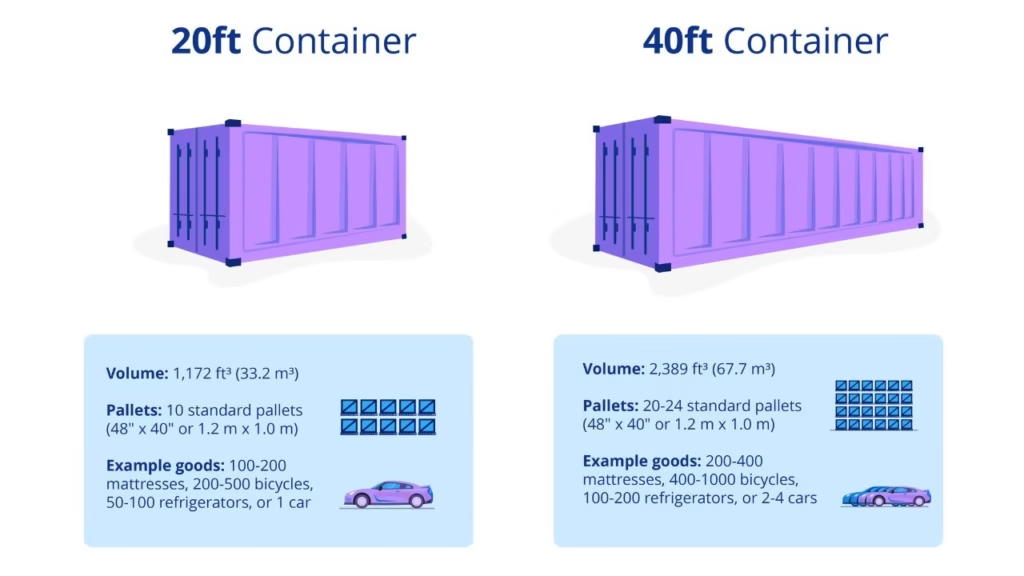
20ft Container Size (TEU)
This is the most widely used unit in global trade.
Dimensions
Length: 20 ft (6.06 m)
Width: 8 ft (2.44 m)
Height: 8.5 ft (2.59 m)
Capacity
Around 28 to 30 cubic meters
Best for heavy cargo
Because it reaches weight limits before volume.
Example 1: Rice, pulses, and grains where weight is high but volume is moderate.
Example 2: Metals, tiles, and machinery parts that are dense and heavy.
This is why the 20ft container size is often the default choice for first time exporters dealing with dense goods.
40ft Container Size (FEU)
This is designed for volume, not weight.
Dimensions
Length: 40 ft (12.2 m)
Width: 8 ft (2.44 m)
Height: 8.5 ft (2.59 m)
Capacity
Around 58 to 60 cubic meters
Best for bulky cargo
Ideal when goods take up space but are not very heavy.
Example 1: Garments and textiles that need space but have low weight.
Example 2: Furniture and plastic products that are large but lightweight.
If your shipment fills space faster than it adds weight, the 40ft container size makes more financial sense.
40 Feet High Cube Container Size
This is a 40ft container with extra height.
Extra height advantage
About 1 foot taller than standard containers, giving you roughly 76 cubic meters of capacity.
When exporters should choose it
When cargo is light but very high in volume.
Example 1: Cotton, foam, mattresses, and insulation materials that need vertical space.
Example 2: Toys, paper rolls, and packaging materials that stack higher but weigh less.
The 40 feet high cube container size is the go to option when you want to maximize volume without increasing the number of containers. If you understand these three core sizes properly, you already avoid half the mistakes new exporters make when choosing shipping containers.
Main Types of Shipping Containers
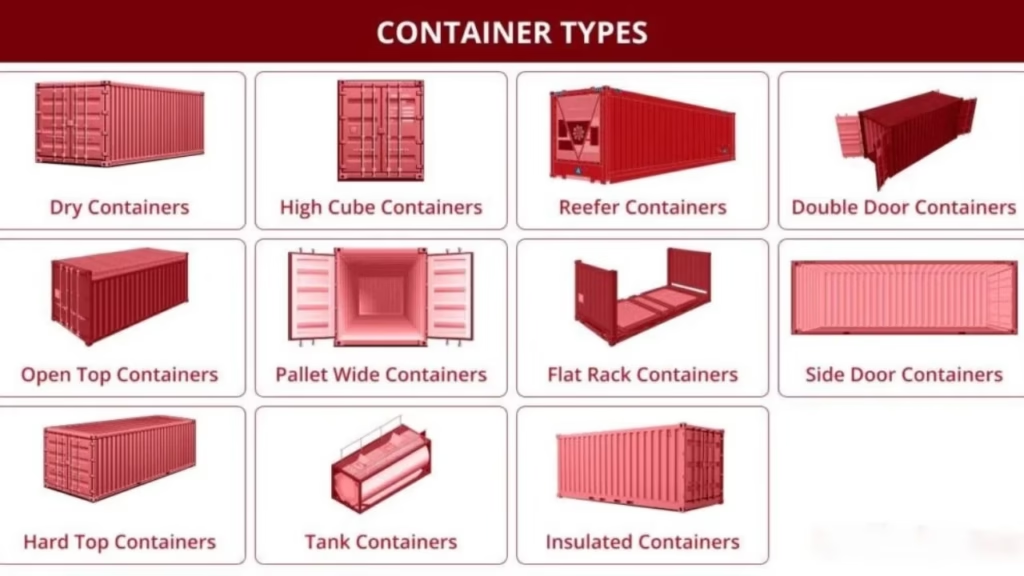
This is where most exporters get confused. They hear terms like dry container, reefer, flat rack, and assume they’re interchangeable. They’re not. Each container is built for a specific type of cargo, loading method, and handling condition.
Let’s break down the different types of shipping containers in a way that actually helps you choose.
Standard Dry Containers (General Purpose)
Definition
Fully enclosed steel containers used for most non-temperature sensitive cargo. No ventilation, no cooling, just a sealed box.
Sizes available
20ft, 40ft, and 40ft high cube
Most common uses
- Textiles
- Electronics
- Furniture
- Packaged food
- Plastic goods
- Engineering items
Example 1: Exporting garments to the US in a 40ft dry container.
Example 2: Shipping packaged spices to the Middle East in a 20ft dry container.
When NOT to use
- Perishable goods that need temperature control
- Moisture sensitive goods that need airflow
Example 1: Fresh fruits shipped in a dry container will spoil during transit.
Example 2: Coffee beans in a sealed container can develop mold without ventilation.
Open Style Containers
These are built for cargo that simply cannot fit or be loaded into a normal closed container.
Flat Rack Container
Structure
No side walls, no roof. Only strong end walls and a base.
Best for
Heavy, oversized, or irregular cargo.
Example 1: Exporting construction machinery that exceeds standard width.
Example 2: Shipping vehicles, pipes, or large industrial equipment.
Open Top Container
Structure
No solid roof. Covered with a removable tarpaulin.
Best for
Cargo that needs to be loaded from the top using cranes.
Example 1: Large engine parts that cannot pass through container doors.
Example 2: Timber logs or tall industrial equipment.

Side Open Container
Structure
Entire side wall opens up.
Best for
Long or hard to handle cargo.
Example 1: Steel rods or long pipes that cannot be loaded from the front.
Example 2: Large panels or industrial sheets loaded using forklifts from the side.
Refrigerated Containers (Reefer)
These are temperature controlled containers designed for perishable or sensitive cargo.
Temperature range
Typically from around -65°C to +40°C depending on the unit
Used for perishables
- Fruits and vegetables
- Meat and seafood
- Dairy products
- Frozen foods
Example 1: Exporting mangoes to Europe in a controlled temperature reefer.
Example 2: Shipping frozen shrimp to the US.
Used for pharma and medical goods
- Vaccines
- Medicines
- Biotech products
Example 1: Temperature sensitive vaccines shipped in reefer containers.
Example 2: Pharmaceutical ingredients transported under controlled conditions.
Compliance importance
Reefers must meet strict monitoring, documentation, and temperature tracking standards. Mistakes here don’t just cause losses, they can cause legal trouble.
Tank Containers
These are specialized cylindrical tanks mounted inside a container frame.
Used for liquids and gases
- Edible oils
- Chemicals
- Juices
- Alcohol
- Petroleum products
Example 1: Exporting sunflower oil in a food grade tank container.
Example 2: Shipping industrial chemicals using certified chemical tank containers.
Hazardous vs food grade
- Food grade tanks are used for consumable liquids
- Hazardous tanks are designed for chemicals and dangerous goods with strict safety standards
Choose wrong here and you’re dealing with safety violations and shipment rejection.
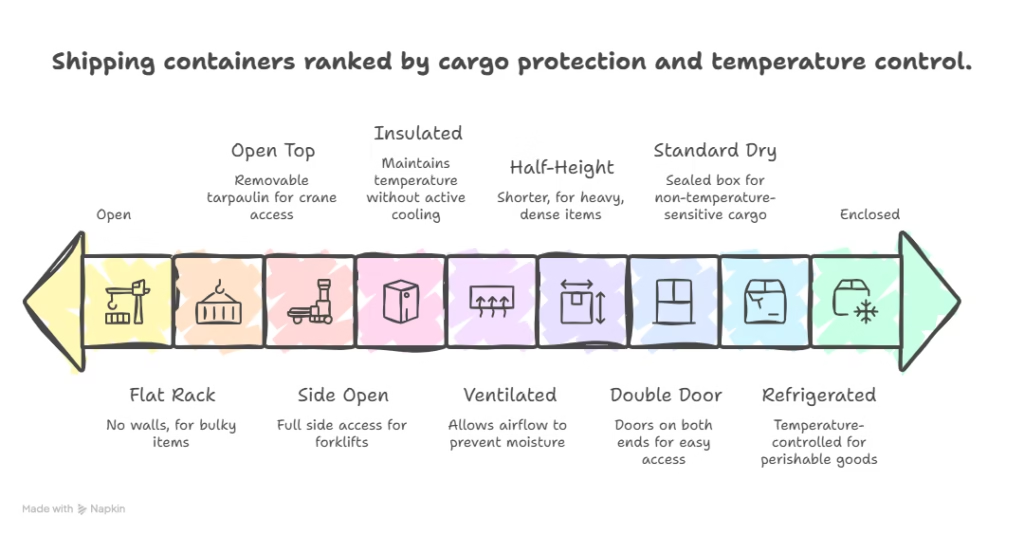
Specialized Containers
These are niche but important depending on the cargo.
Insulated Containers
Maintain internal temperature without active cooling.
Example 1: Chocolate shipped to warm regions.
Example 2: Coffee transported in stable conditions without refrigeration.
Ventilated Containers
Allow airflow to prevent moisture buildup.
Example 1: Coffee beans that need air circulation.
Example 2: Onions and garlic to avoid spoilage.
Half Height Containers
Shorter containers designed for dense heavy cargo.
Example 1: Coal and minerals.
Example 2: Stones, sand, and metal scrap.
Double Door (Tunnel) Containers
Doors on both ends for easy loading and unloading.
Example 1: Steel bars loaded from both ends.
Example 2: Wooden logs or pipes that need straight through loading.
Quick Comparison Table: Which Container for Which Product
Here’s the quick decision guide most beginners actually need.
| Product Type | Best Container Type |
| Rice, grains, pulses | 20ft Dry Container |
| Garments, textiles | 40ft Dry Container |
| Furniture, plastic goods | 40ft or 40ft High Cube |
| Fresh fruits & vegetables | Reefer Container |
| Meat, seafood, frozen foods | Reefer Container |
| Machinery & heavy equipment | Flat Rack or Open Top |
| Tall industrial cargo | Open Top Container |
| Long pipes, steel rods | Side Open Container |
| Chemicals & oils | Tank Container |
| Coffee, cocoa, onions | Ventilated Container |
This table alone solves half the confusion new exporters face when choosing between types of containers and their real world applications.
If you can match your product to the correct container here, you avoid damage, reduce cost, and move your shipment like someone who actually knows what they’re doing.
Difference Between 20ft vs 40ft vs High Cube Containers
The decision comes down to one thing how your cargo behaves in terms of weight and volume.
Simple decision logic
20ft container = heavy cargo
Use this when weight fills up before space.
Example 1: Tiles or metal parts. You hit the weight limit quickly, so extra space in a bigger container is useless.
Example 2: Rice or grains. Dense, heavy, and compact. A 20ft container carries it efficiently.
40ft container = bulky cargo
Use this when your cargo takes up space but doesn’t weigh much.
Example 1: Garments or textiles. They occupy volume but don’t add much weight.
Example 2: Furniture or plastic items. Big in size, light in weight.
40ft High Cube = very light, high volume cargo
Use this when your product is both bulky and stackable vertically.
Example 1: Cotton bales or foam. You need that extra height to maximize load.
Example 2: Toys or packaging materials. Light, airy goods that waste vertical space in a normal 40ft.
Freight cost logic
Freight cost is not just per container. It’s per unit shipped inside that container.
- If you use a 40ft for heavy goods, you pay for space you don’t use
- If you use a 20ft for bulky goods, you pay for multiple shipments instead of one
Example 1: Shipping heavy machinery parts in a 40ft means you pay extra for empty volume.
Example 2: Shipping furniture in two 20ft containers instead of one 40ft increases total freight, handling, and documentation cost.
The goal is simple maximize what you load per container, not how many containers you book.
Space efficiency
You’re always balancing weight capacity vs volume capacity.
- 20ft container fills by weight first
- 40ft fills by space first
- High cube gives you extra vertical stacking advantage
Example 1: If your cargo stacks only halfway in a 40ft, you’re wasting vertical space. That’s where a high cube can fix the inefficiency.
Example 2: If your cargo hits weight limits at half the space in a 40ft, you should have used a 20ft.
Pick the container where both weight and volume are used as close to capacity as possible. That’s efficient shipping.
How to Choose the Right Shipping Container (Practical Guide)
This is your decision checklist. Don’t guess. Run through these five factors every time.
1. Product type
Start with the nature of your cargo.
- Is it perishable?
- Is it fragile?
- Does it need ventilation or temperature control?
Example 1: Mangoes need a reefer container. A dry container will destroy the shipment.
Example 2: Steel pipes need a flat rack or side open container, not a standard box.
2. Weight vs volume
Understand whether your cargo is dense or bulky.
- Heavy goods → 20ft
- Bulky goods → 40ft
- Light + high volume → high cube
Example 1: Exporting spices in bulk? 20ft container works better.
Example 2: Exporting mattresses? High cube is the only logical choice.
3. Route and port rules
Different routes and ports have restrictions.
- Some ports limit weight per container
- Some routes charge extra for oversized cargo
- Hazardous goods require certified containers
Example 1: Shipping chemicals without proper tank certification can get your container held at port.
Example 2: Overweight containers may be rejected or charged penalties depending on the destination country.
4. Buyer requirements
Your buyer may have specific expectations.
- Some buyers demand reefer temperature logs
- Some want specific container types for unloading ease
Example 1: A European buyer may require controlled reefer logs for food imports.
Example 2: An industrial buyer may request side open containers for easier unloading at their facility.
Ignore this and you create friction with your own customer.
5. Budget and cost optimization
You’re not choosing the cheapest container. You’re choosing the most efficient one.
- Look at total landed cost, not just container price
- Factor in damage risk, delays, and storage costs
Example 1: A slightly more expensive reefer container prevents a full shipment loss of fruits. That’s not a cost, that’s protection.
Example 2: One optimized 40ft shipment is cheaper than two inefficient 20ft shipments.
If you follow this checklist every time, you eliminate guesswork. You stop making beginner mistakes and start making logistics decisions like someone who actually understands export operations.
Real Export Examples
Let’s make this real. No theory. Just practical choices you’d actually make as an exporter.
Spices Export (India → Dubai)
Container used: 20ft Dry Container
Why: Spices are dense, packed in bags or cartons, and don’t need temperature control.
Example 1: Exporting turmeric and chili powder. Heavy but compact, so a 20ft container uses weight capacity efficiently.
Example 2: Shipping mixed spices in cartons. A dry container keeps goods sealed and protected from moisture during transit.
Mango Export (India → Europe)
Container used: Reefer Container
Why: Mangoes are perishable and need strict temperature control.
Example 1: Alphonso mangoes shipped at controlled temperature to maintain shelf life during long sea transit.
Example 2: Pre-cooled mangoes loaded into a reefer with humidity control to prevent spoilage and meet EU import standards.
Machinery Export (India → Africa)
Container used: Flat Rack or Open Top
Why: Machinery is oversized and often too heavy or tall for standard containers.
Example 1: Construction equipment that exceeds height limits loaded using an open top container with crane access.
Example 2: Large industrial machines secured on a flat rack because they don’t fit within closed container dimensions.
Cotton Export (India → Bangladesh)
Container used: 40ft High Cube Container
Why: Cotton is bulky and lightweight. You need maximum volume, not weight capacity.

Example 1: Cotton bales stacked vertically to use the extra height of a high cube container.
Example 2: Textile raw material shipments where volume fills up fast but weight stays low.
If you look at these examples closely, you’ll notice one pattern the container choice is always based on the nature of the product, not just availability or price.
Shipping Container Price and Cost Factors
A lot of beginners obsess over shipping container price without understanding what actually drives it. That’s how they end up paying more than necessary.
Let’s break it down.
What affects shipping container cost
Your shipping container cost is influenced by five main factors.
1. Size
Bigger containers cost more, but not always proportionally.
Example 1: A 40ft container is more expensive than a 20ft, but per cubic meter it can be cheaper.
Example 2: A high cube container costs slightly more than a standard 40ft because of extra volume.
2. Type
Specialized containers cost more than standard ones.
Example 1: Reefer containers are more expensive due to cooling systems and power usage.
Example 2: Tank containers cost more because of safety certifications and specialized structure.
3. Route
Distance and shipping lanes affect freight rates.
Example 1: Shipping to Europe costs more than shipping to the Middle East due to distance.
Example 2: Remote ports or low traffic routes have higher freight rates.
4. Fuel cost
Fuel prices directly impact ocean freight charges.
Example 1: A spike in fuel prices increases container shipping rates globally.
Example 2: Surcharges like bunker adjustment factor (BAF) increase overall shipping container cost.
5. Demand and seasonality
Peak season means higher rates.
Example 1: Export peak before festivals increases demand for containers and raises prices.
Example 2: Agricultural harvest seasons push up reefer container demand and cost.
Buying vs Renting Containers
Most exporters don’t think about this, but it matters if you ship regularly.
When to buy a shipping container
You should buy shipping container units when:
- You export frequently
- You need containers for storage at your facility
- You want long term cost control
Example 1: A rice exporter shipping monthly might save money by owning containers.
Example 2: A manufacturer using containers for on site storage and exports benefits from ownership.
When to lease or rent containers
Renting makes more sense when:
- You ship occasionally
- You export seasonal goods
- You don’t want maintenance responsibility
Example 1: A mango exporter shipping only during harvest season should lease reefer containers.
Example 2: A new exporter testing international markets should rent instead of investing upfront.
Average Container Prices in India
Prices fluctuate based on demand, location, and condition (new vs used), but here’s a realistic idea.
- 20ft container price range (India)– Approx ₹1.2 lakh to ₹2.5 lakh for used units, higher for new ones.
- 40 feet container price in India– Approx ₹2.5 lakh to ₹4.5 lakh depending on condition and quality.
- Reefer container cost range– Can range from ₹5 lakh to ₹10 lakh+ because of refrigeration equipment and compliance standards.
Example 1: A used 20ft dry container bought locally for storage and occasional export use.
Example 2: A food exporter investing in reefer containers for long term perishable exports.
Don’t chase the cheapest container. Choose the container that minimizes total logistics cost and protects your cargo. That’s how you stay profitable in export.
Common Mistakes New Exporters Make
Most export losses don’t come from bad products. They come from basic logistics mistakes. Here are the ones that keep repeating.
Using dry containers for perishable goods
This is the fastest way to destroy a shipment.
Example 1: A new exporter ships mangoes in a standard dry container to save money. The cargo arrives overheated and partially rotten. The buyer rejects it.
Example 2: Frozen seafood shipped without a reefer loses temperature control during transit and becomes unusable.
If your product needs temperature control, a dry container is not a cheaper option. It’s a guaranteed loss.
Overloading the container
Trying to squeeze extra cargo to save on freight usually backfires.
Example 1: A container exceeds weight limits and gets flagged at the port, leading to penalties and unloading delays.
Example 2: Overloading causes improper weight distribution, which increases the risk of cargo damage during handling.
Ports and shipping lines don’t negotiate on weight limits. If you exceed them, you pay for it.
Ignoring ventilation needs
Some products need airflow. Sealing them inside a dry container traps moisture.
Example 1: Coffee beans shipped without ventilation develop condensation and mold.
Example 2: Onions transported in sealed containers start rotting due to lack of air circulation.
Ventilated containers exist for a reason. Use them when your product needs airflow.
Ignoring weight vs volume limits
Beginners often misunderstand how container capacity works.
Example 1: Heavy tiles loaded into a 40ft container hit weight limits at half capacity, wasting space and increasing cost.
Example 2: Bulky furniture loaded into a 20ft container fills up space quickly, forcing the exporter to book a second container unnecessarily.
You must balance weight and volume, not just focus on filling the box. If you avoid these four mistakes alone, you’re already ahead of most new exporters.
Key Takeaways (Quick Recap)
Let’s keep this simple and direct.
- Container choice depends on the nature of your cargo
Perishables need reefers, not dry containers.
Heavy minerals fit best in 20ft units, not 40ft. - Container size directly affects your shipping cost
Using a 40ft for light bulky goods reduces per-unit cost.
Using a 20ft for heavy cargo avoids paying for unused space. - Wrong container choice leads to losses
Spoiled food shipments due to wrong temperature control.
Extra freight cost due to inefficient container size. - Correct container choice leads to profit and safe delivery
Proper reefer use ensures fresh delivery and repeat buyers.
Optimized container loading reduces cost and improves margins.
If you understand this, You’re making controlled, profitable export decisions.
Conclusion
In exporting, your margins don’t just come from pricing your product right. They come from managing logistics smartly. And container selection sits right at the center of that.
Logistics = profit.
Container choice = control.
Knowledge = fewer mistakes.
If you choose the wrong container, you lose money through damage, delays, penalties, and rejected shipments. If you choose the right one, you protect your cargo, reduce your shipping container cost, and deliver exactly what your buyer expects.
Example 1: A fruit exporter who understands reefer logistics protects product quality and wins repeat international orders.
Example 2: A textile exporter who uses the right 40ft or high cube container cuts freight cost per unit and increases profit margins.
This is not advanced strategy. This is basic export discipline. Learn the different types of shipping containers, understand container types and sizes, and use that knowledge every time you ship.
If you get this one decision right, a lot of other problems disappear automatically.
FAQs
1. What is the most commonly used shipping container?
The most commonly used container worldwide is the standard dry container, especially the 20ft and 40ft sizes.
Example 1: 20ft containers are widely used for heavy goods like grains, metals, and machinery parts.
Example 2: 40ft containers are used for bulky goods like garments, furniture, and plastic products.
2. What is the difference between a dry container and a reefer container?
A dry container is a sealed box with no temperature control. A reefer container is temperature-controlled and used for perishable or sensitive goods.
Example 1: Dry containers are used for electronics, textiles, and packaged goods.
Example 2: Reefer containers are used for fruits, meat, dairy, and pharmaceutical products.
3. How much does a shipping container cost in India?
The shipping container price in India depends on size, type, and condition.
Example 1: A used 20ft container can cost roughly ₹1.2 lakh to ₹2.5 lakh.
Example 2: A 40 feet container price in India can range from ₹2.5 lakh to ₹4.5 lakh, while reefer containers are significantly more expensive due to cooling systems.
4. Which container is best for exporting food?
It depends on the type of food.
Example 1: Dry foods like rice, pulses, and spices can be shipped in standard dry containers.
Example 2: Perishable food like fruits, vegetables, meat, and dairy require reefer containers for temperature control.
5. Can I buy my own shipping container for export?
Yes, you can buy shipping container units if you export regularly or need them for storage and logistics control.
Example 1: A frequent exporter may buy containers to reduce long-term rental costs.
Example 2: A manufacturer may use owned containers for both storage and shipping operations.
If you’re just starting or shipping occasionally, renting is usually the smarter choice.
About the Author
Hi, I’m SriHarsha, founder of shxhub.in.
I focus on explaining import export business topics in a practical, beginner friendly way, based on how exports actually work on the real ground especially documentation, quality control, and buyer expectations.





3 thoughts on “Types of Shipping Containers: Sizes, Uses, and How to Choose the Right One”